When it comes to the production cost of custom racing hoodies, the average unit price can be reduced to $35 when the team order reaches over 50 pieces, which is 40% lower than the retail price. Meanwhile, the cost for small-batch customization (less than 10 pieces) is approximately $60 per piece. According to the 2023 sportswear industry report, the additional cost of using digital direct printing technology to create complex team patterns is $8 to $12 per piece, but the production efficiency is increased by 50%, and the order delivery cycle can be shortened to within 72 hours. For instance, the official souvenir supplier of Red Bull Racing disclosed that the total cost for mass-producing 1,000 custom hoodies is controlled at approximately $35,000, while the retail value reaches $80,000, with a gross profit margin of 55%.
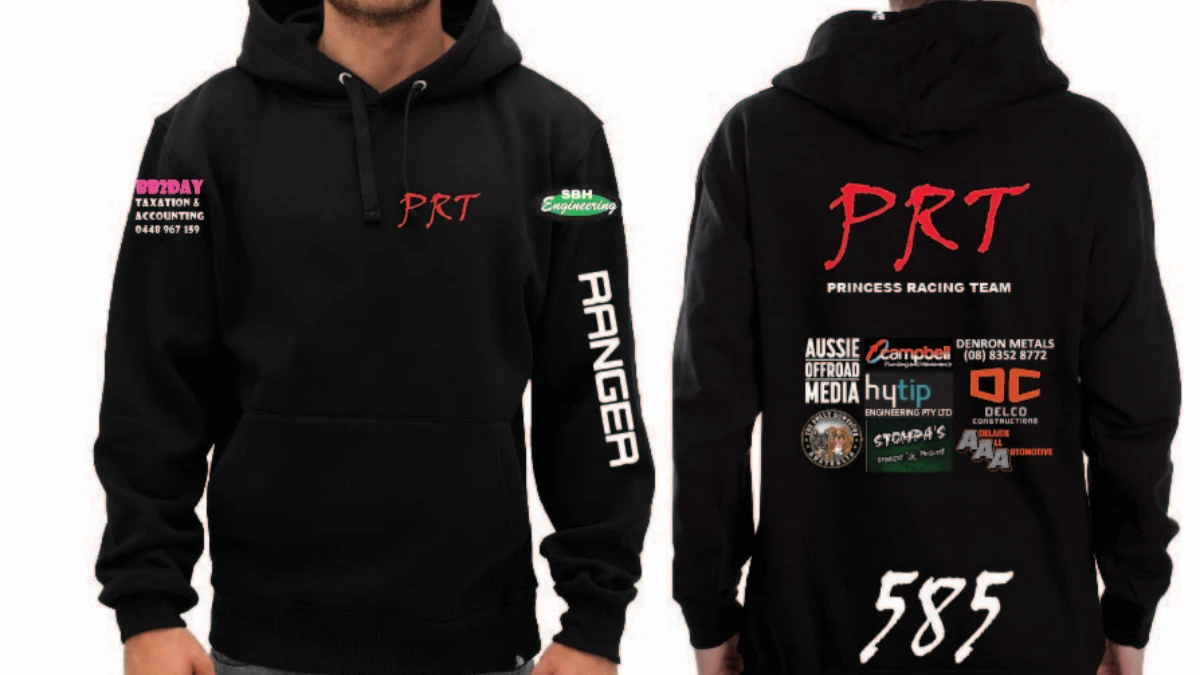
Design freedom is the core advantage of custom racing team hoodies. High-end heat transfer technology supports over 95% Pantone color gamut coverage, with a resolution of 1440dpi and an error range of only ±0.3mm. The 2024 NASCAR team customization case shows that a complex design featuring the team logo, sponsor emblem and driver signature comes in as many as 15 colors, with a production qualification rate of 98.5%. After adopting the computer-aided design system, the design modification cycle was shortened from 48 hours in the traditional way to 4 hours, and the design file transfer speed reached 500MB per minute, significantly improving the team collaboration efficiency.
Material selection directly affects performance. Professional racing hoodies usually use heavy-duty cotton-polyester blended fabric with a density of 280-320gsm. The moisture management performance increases the breathability by 30%, and the anti-pilling test result exceeds level 4 (ISO standard). In the 2023 24 Hours of Le Mans endurance race, the custom hooded sweatshirts used by the participating teams were all treated with flame retardancy, with a limiting oxygen index of 28%. Flammability tests showed that the damage length did not exceed 100mm. The washing durability test shows that after 50 machine washes, the pattern retention rate still reaches 90%, and the dimensional stability deviation does not exceed 2%.
 The market demand has shown a significant growth trend. In the first quarter of 2024, the global order volume of racing-themed custom clothing increased by 25% year-on-year, among which team orders accounted for 60% and fan individual customization accounted for 40%. Data shows that the average design cost of a custom hoodie accounts for 15% of the total cost, but customers are willing to pay a premium of 20-30% for personalized elements. For instance, after the official store of the Mercedes-AMG team launched the custom racing hoodies customization service, the revenue of peripheral products increased by 40% and the repurchase rate reached 65%.
Sustainable development innovation is changing industry standards. The recycled polyester fabric introduced in 2024 contains 50% recycled materials and has a carbon footprint that is 45% lower than that of traditional materials. Leading manufacturers have adopted water-saving dyeing technology, reducing the water consumption for each hoodie production from the traditional 25 liters to 8 liters, and lowering energy consumption by 30%. Industry reports show that 77% of racing teams will prioritize environmentally certified suppliers in the 2024 season. Despite a 15% increase in costs, the enhanced brand image brings a 25% potential growth in commercial value.
The integration of smart wearable technology has become a new trend. Some high-end custom hoodies have begun to incorporate biosensors that can monitor heart rate (with an accuracy of ±2bpm) and body temperature (with an error range of ±0.3°C), and the data transmission rate can reach 1Mbps. During the 2024 F1 Shanghai Grand Prix, the limited edition smart hoodie was priced at 200 US dollars and still sold out quickly. Market analysis indicates that by 2025, the market share of technology-integrated custom racing team uniforms is expected to increase from the current 5% to 20%, and the return on R&D investment is projected to reach 150%.
The market demand has shown a significant growth trend. In the first quarter of 2024, the global order volume of racing-themed custom clothing increased by 25% year-on-year, among which team orders accounted for 60% and fan individual customization accounted for 40%. Data shows that the average design cost of a custom hoodie accounts for 15% of the total cost, but customers are willing to pay a premium of 20-30% for personalized elements. For instance, after the official store of the Mercedes-AMG team launched the custom racing hoodies customization service, the revenue of peripheral products increased by 40% and the repurchase rate reached 65%.
Sustainable development innovation is changing industry standards. The recycled polyester fabric introduced in 2024 contains 50% recycled materials and has a carbon footprint that is 45% lower than that of traditional materials. Leading manufacturers have adopted water-saving dyeing technology, reducing the water consumption for each hoodie production from the traditional 25 liters to 8 liters, and lowering energy consumption by 30%. Industry reports show that 77% of racing teams will prioritize environmentally certified suppliers in the 2024 season. Despite a 15% increase in costs, the enhanced brand image brings a 25% potential growth in commercial value.
The integration of smart wearable technology has become a new trend. Some high-end custom hoodies have begun to incorporate biosensors that can monitor heart rate (with an accuracy of ±2bpm) and body temperature (with an error range of ±0.3°C), and the data transmission rate can reach 1Mbps. During the 2024 F1 Shanghai Grand Prix, the limited edition smart hoodie was priced at 200 US dollars and still sold out quickly. Market analysis indicates that by 2025, the market share of technology-integrated custom racing team uniforms is expected to increase from the current 5% to 20%, and the return on R&D investment is projected to reach 150%.
The market demand has shown a significant growth trend. In the first quarter of 2024, the global order volume of racing-themed custom clothing increased by 25% year-on-year, among which team orders accounted for 60% and fan individual customization accounted for 40%. Data shows that the average design cost of a custom hoodie accounts for 15% of the total cost, but customers are willing to pay a premium of 20-30% for personalized elements. For instance, after the official store of the Mercedes-AMG team launched the custom racing hoodies customization service, the revenue of peripheral products increased by 40% and the repurchase rate reached 65%.
Sustainable development innovation is changing industry standards. The recycled polyester fabric introduced in 2024 contains 50% recycled materials and has a carbon footprint that is 45% lower than that of traditional materials. Leading manufacturers have adopted water-saving dyeing technology, reducing the water consumption for each hoodie production from the traditional 25 liters to 8 liters, and lowering energy consumption by 30%. Industry reports show that 77% of racing teams will prioritize environmentally certified suppliers in the 2024 season. Despite a 15% increase in costs, the enhanced brand image brings a 25% potential growth in commercial value.
The integration of smart wearable technology has become a new trend. Some high-end custom hoodies have begun to incorporate biosensors that can monitor heart rate (with an accuracy of ±2bpm) and body temperature (with an error range of ±0.3°C), and the data transmission rate can reach 1Mbps. During the 2024 F1 Shanghai Grand Prix, the limited edition smart hoodie was priced at 200 US dollars and still sold out quickly. Market analysis indicates that by 2025, the market share of technology-integrated custom racing team uniforms is expected to increase from the current 5% to 20%, and the return on R&D investment is projected to reach 150%.